
Introduction – What to Bring on a Hike
Hiking is a great way to unwind, exercise, and establish a connection with nature, therefore with yourself. Being well-prepared is essential if you want to get the most out of your experience. The correct equipment might mean the difference between a fun hike and a difficult experience. In this article, we’ll go over what to bring on a hike so you’re prepared for anything the trail may throw at you.
Before your adventure, a few essential items for any hiking trip must be packed. These necessities will keep you well-prepared, cozy, and safe.
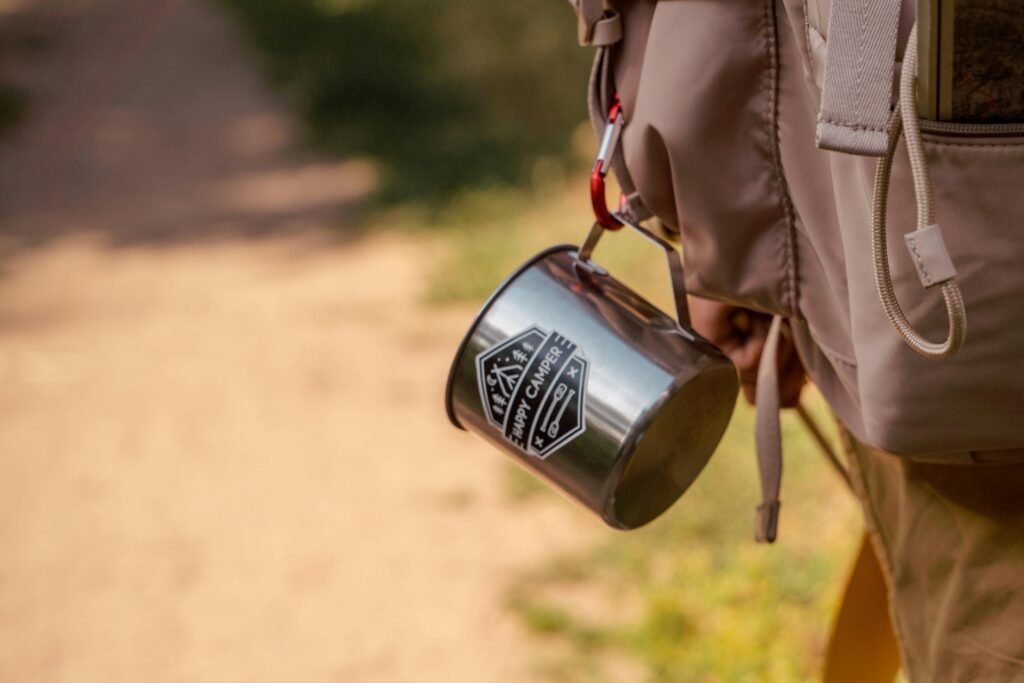
Table of Contents
What to Bring on a Hike – Complete List
Every hike starts at your house with preparation. Life on the trail is unpredictable, weather changes, terrain shifts, and so does your mood along the way. This section will guide you through a hiking gear checklist, full of useful items every serious hiker needs. Based on our experiences and testing, we created it for you to stay safe, comfortable, and efficient on the trail.
Essential Hiking Gear Checklist:
Navigation Tools
Having navigation tools is essential, even when heading out on a well-marked trail. As any experienced hiker knows, conditions in the mountains can change rapidly and completely throw you off course. That’s why every serious hiker should carry both modern and traditional navigation tools.
Nothing beats having a good old-fashioned map by your side. Unlike a smartphone, it won’t run out of battery or lose signal. When paired with a compass, it becomes a timeless navigation setup that works anywhere in the world—provided you know how to use it. Being able to use both of these together can be a real lifesaver, especially in remote areas.
Of course, modern navigation tools have a ton of advantages too. Apps like Gaia GPS, AllTrails, or Komoot can show your real-time location and track your progress. Just be sure to download offline maps before your adventure to avoid issues in areas with no cell service. These apps offer powerful features, but they shouldn’t be your only method of navigation.
Lastly, bringing trail notes—such as details about water sources, landmarks, or campsites—can be incredibly helpful. You never really know what’s waiting for you out there. And as the Germans say, Sicher ist Sicher—better safe than sorry
First Aid Kit
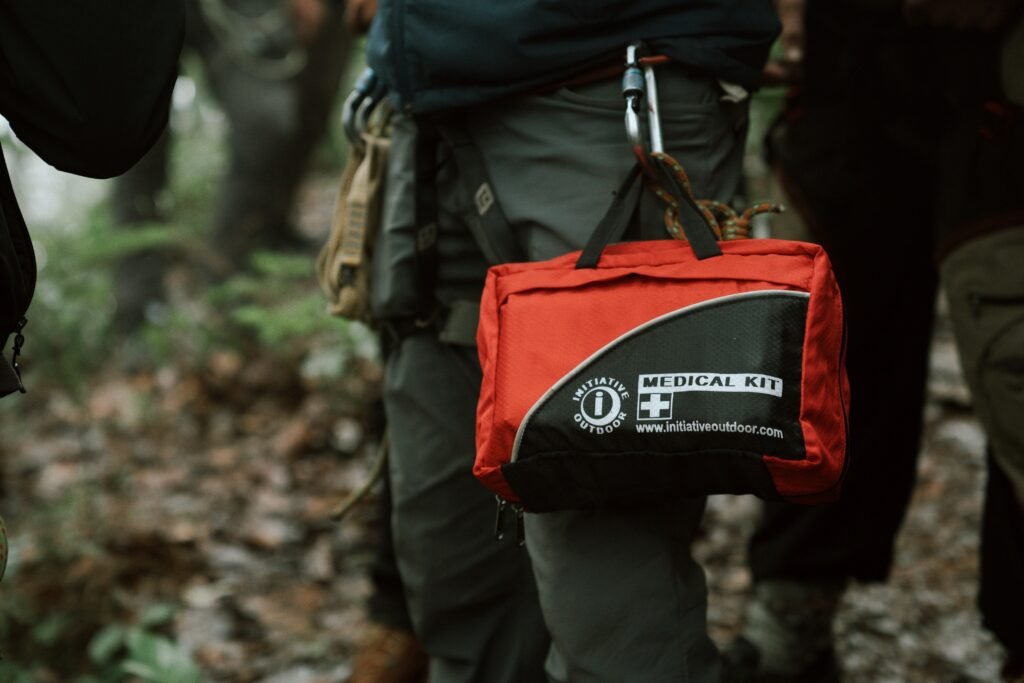
Injuries aren’t a part of anyone’s hiking plans, but they happen to everyone every time. That’s why a first aid kit is a necessity for every hiker out there. Even the smallest injury, like a blister or a scrape, might turn into a real problem miles away from help. And nature is unforgiving.
At the bare minimum, your kit should include bandages, antiseptic wipes, adhesive tape, tweezers, and any personal medications you might need. But just throwing in a bunch of medical supplies that you don’t know how to use doesn’t count. And the middle of the woods isn’t the best place to read instructions for the first time.
Knowing what to bring on a hike of your type is important. You can buy pre-made kits, but it’s always better to have your own, as long as the supplies inside are in good shape to be used. Carrying what you don’t need is just a necessary extra weight (which can make you more tired, therefore more likely to get injured). You can always add specific items for your trip and make it more effective than store-bought. If you’re going on a multi-day or remote hike, consider adding a CPR face shield or a whistle to signal for help.
Being prepared doesn’t mean being paranoid—it means giving yourself peace of mind so you can focus on enjoying the trail and nature surrounding you. A well-stocked, personalized first aid kit does exactly that.
Extra Water and Food
Even though hydration and fuelling up are the basics of a successful adventure, they are often overlooked and forgotten. When you’re asking yourself what to bring on a hike for food, it’s easy to underestimate how much water or food you’ll need—until you’re halfway through the trail, tired, dehydrated, and running on nothing but hopes
Yes, water is heavy and awkward to carry—but that’s no excuse to pack light on it. You should take more than you think you’ll need. A good rule of thumb is about half a liter per hour of moderate activity, but that can vary with heat, altitude, and intensity.
If you’re heading into remote areas or tackling a longer hike, bring a lightweight water filter or purification tablets. Never rely entirely on what you pack if there’s natural water nearby that could be made drinkable. That said, it’s your responsibility to research the trail beforehand and know the location of safe water sources. Spring water straight from the source is always better than anything filtered or chemically treated.
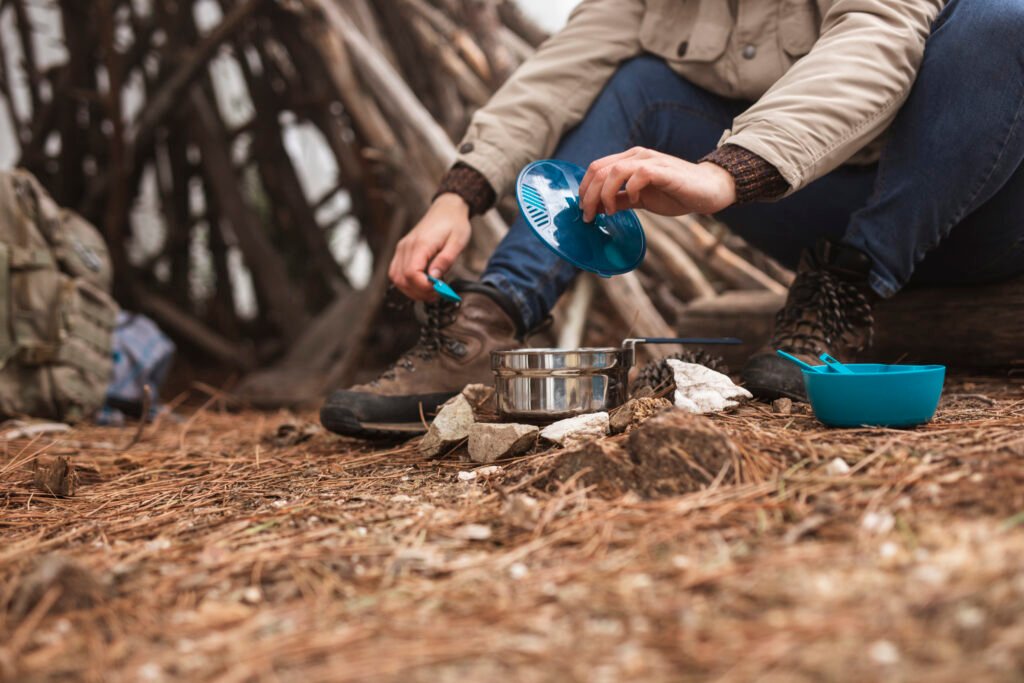
When it comes to food, think high-energy, lightweight, and easy to eat. Trail mix, energy bars, dried fruit, nut butter packets, and jerky are reliable staples. For longer treks or overnights, you might want dehydrated meals or something you can heat with a backpacking stove while still being relatively lightweight.
It’s not just about staying fed and hydrated; it’s about keeping your mind sharp and your body functioning well. Low energy or dehydration can cloud your judgment, slow your pace, and increase your risk of injury. Fuel your hike like it matters—because it does.
Clothing Considerations
If you’re wondering what to bring on a hike, clothing-wise, it’s simple. Functionality over looks. Weather can change in a matter of seconds, and temperatures can drop or spike anytime; what felt comfortable at the trailhead can start working against you a few miles in. That’s why quality products and layering are the golden rules of hiking attire.
Start with a moisture-wicking base layer, something that keeps you dry and warm. However, you should avoid cotton at all costs, since it does the opposite. It holds moisture, takes forever to dry, and doesn’t keep you warm once you stop moving. Aim for synthetic materials or merino wool instead.
Next, add an insulating layer, like a fleece or lightweight down jacket. This helps keep you warm when the temperature drops, especially in the early morning or late afternoon. Finally, your outer layer should be a shell jacket—windproof, waterproof, and breathable. It doesn’t have to be fancy, but it needs to be able to handle sudden rain or wind.
Convertible pants, which zip off into shorts, are a trail favorite for a good reason. They offer flexibility as conditions change without requiring extra clothing. And always bring an extra pair of socks—preferably wool or synthetic. Dry feet are happy feet.
Dress smart, not just for the weather you expect, but for what might come. Comfort on the trail isn’t a luxury—it’s part of staying safe.
Footwear Selection
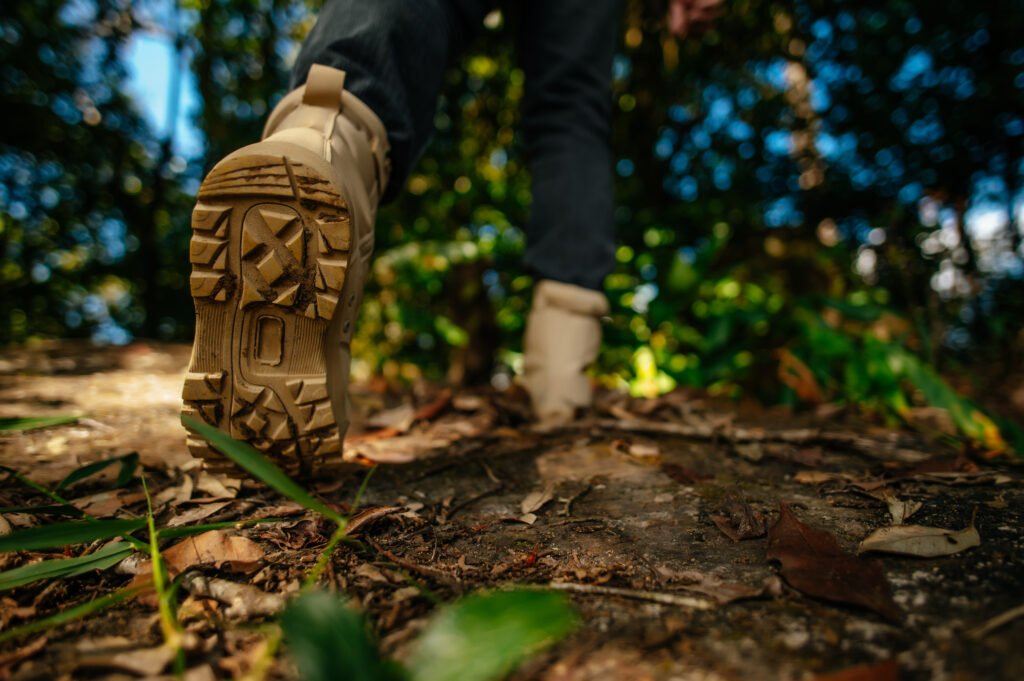
Footwear is probably the most important piece of hiking gear you’ll invest in—and it’s the one thing that can either carry you through a hike or ruin it before you even hit the halfway mark.
The right pair of hiking boots or shoes depends on the terrain and your comfort. For rocky, uneven trails or multi-day hikes with a heavy pack, boots that offer ankle support and rugged soles are a smart move. On the other hand, for light day hikes or well-maintained trails, hiking shoes or trail runners might be all you need—lighter, more breathable, and easier to break in.
Whatever you choose, make sure they’re broken in before your actual hike. Don’t just walk around your living room—take them on a short walk or trail, break them in properly. The last thing you want is to discover a blister halfway into a long trek. Be sure to hit at least 20-30km. Trust us, hot spots and foot pain will turn any hike into a slow crawl.
Pay attention to how your shoes fit. Your toes should have some room to wiggle, but your heel shouldn’t slip. Your feet will swell a bit on longer hikes, especially in the heat, so factor that in. Try them on with the socks you plan to wear—ideally, moisture-wicking hiking socks, not your everyday cotton pair.
…And speaking of socks—bring an extra pair. Nothing’s worse than hiking in wet, sweaty socks. Your feet are your engine on the trail. Treat them that way.
What to Bring on a Day Hike: Before You Go
A good hiking plan is the cornerstone of every successful adventure. It makes all the difference. Check the trail conditions, weather forecast, and difficulty level to ensure it matches your fitness and experience. Map out your route, know your entry and exit points, and estimate how long it will take. Along the way, plan out your pitstops and resting points. Always let someone know your plans and bring essentials like water, snacks, a map, and a fully charged phone. Preparation not only enhances your enjoyment—it also helps keep you safe.
Research Your Route
One of the most important things before hitting the trail is thoroughly researching your route. It makes all the difference. Don’t rely on a single app or GPS—double-check with maps, guidebooks, and local park websites to get a clearer, more complete understanding.
Focus on things like total distance, elevation gain, estimated duration, and terrain type. These can change your adventure and take it from 0 to 100 real fast. Some trails may look easy on paper but include steep inclines, river crossings, or unstable footing that require extra caution.
Check recent trail reports or forums for up-to-date information—small details like temporary closures or washed-out sections can completely alter your plans. Be aware of any required permits or fees, and make note of water sources, shade, and potential rest areas.
Knowing what to expect helps in so many ways: you pack smarter, dress better, conserve energy, and most importantly—stay safe. Whether you’re heading out for a short hike or a multi-day adventure, understanding your route gives you control, confidence, and could even be a lifesaver if things go off track.
Check Weather Conditions
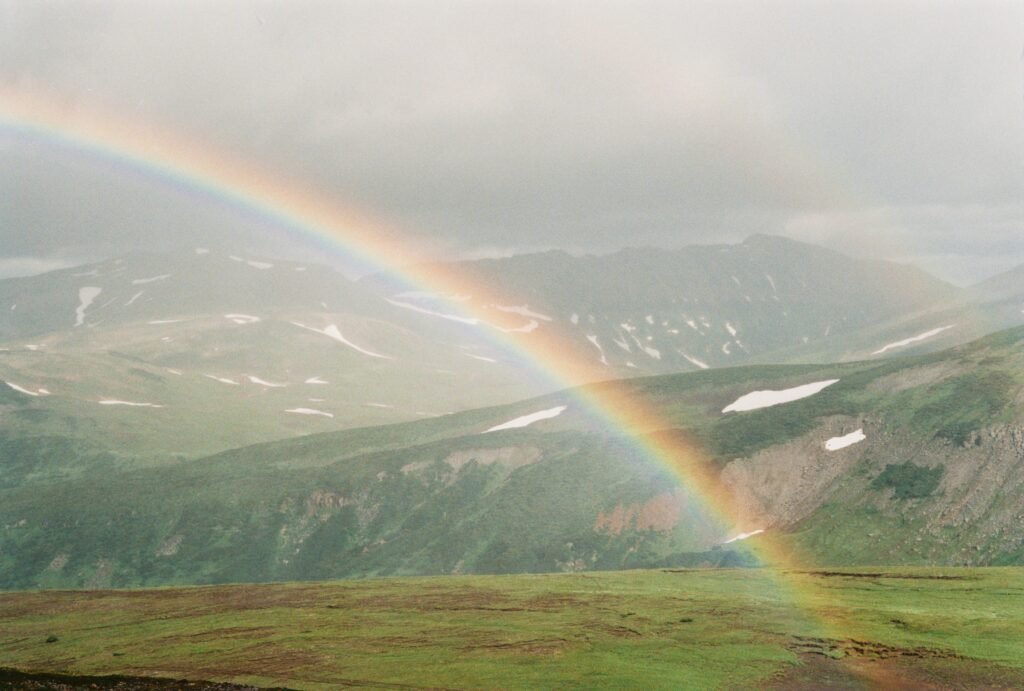
Before any hike, checking the weather isn’t just smart—it’s essential. Weather is the fastest changing factor out there, especially in mountainous or remote areas, and it can dramatically affect trail conditions, which goes hand in hand with your safety. Look at the forecast for the entire day—not just when you’re starting. Look for temperature changes, wind speeds, precipitation, and storm warnings. Don’t be fooled by a small change, because in the mountains weather is unforgiving. Even a light rain can turn trails slippery or cause rivers to rise.
Weather apps are a good tool, but don’t just rely on them. Use trail-specific resources or park websites if available. They often provide much more accurate and location-specific information. If you’re heading to higher elevations, check for snow, ice, or sudden temperature drops. Knowing what to expect allows you to prepare better, both clothing and gear-wise, and decide if you need to adjust your route or reschedule entirely.
A clear forecast will give you peace of mind—but being prepared for surprises can be what keeps you safe. When it comes to hiking, the sky above is just as important as the trail beneath your feet.
Additional Items for Enjoyment and Safety
The next few items might seem like something fancy or extra, but don’t be fooled. Once you’ve tried any of these, you’ll see why many serious hikers stand by them. They provide you with additional comfort, support, and power, which can drastically change the course of your adventure. Of course, you don’t need them as much as water and wouldn’t survive without them, but having them by your side and spoiling yourself a little bit is always nice. Trust us, once you give in to the temptation and use them, you’ll never want to hike without them.
Trekking Poles
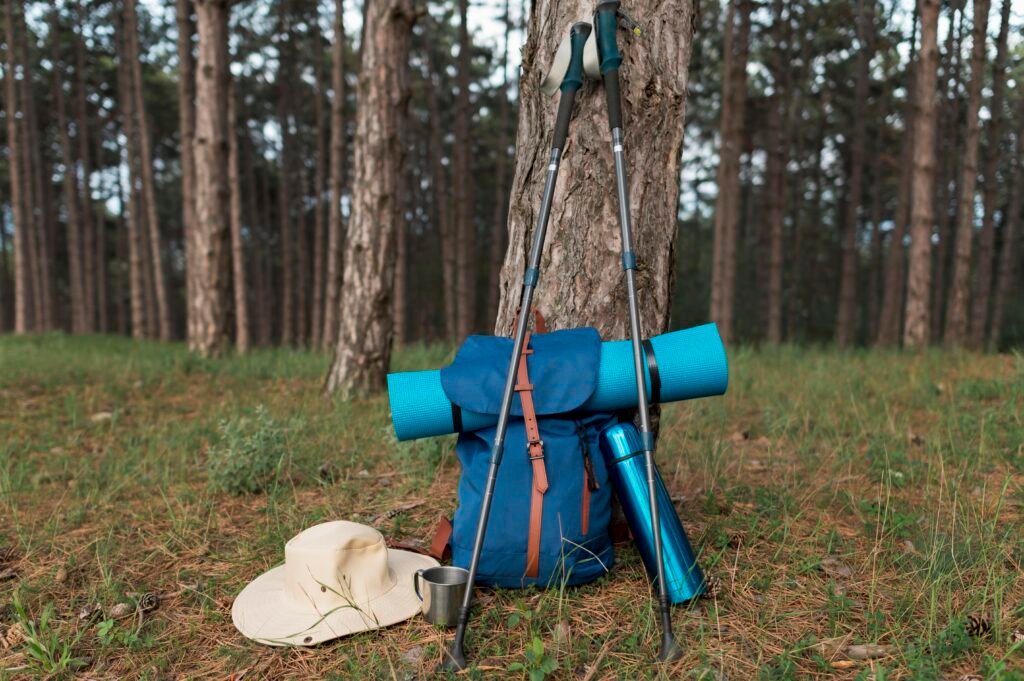
Trekking poles might seem like an extra addition to your gear, but once you use them, you’ll quickly see why many hikers swear by them. They provide you with extra power, balance, help reduce strain on your knees during steep descents, and give your upper body something to do—especially useful on longer hikes. On muddy trails, rocky paths, or river crossings, they can make a huge difference in stability and confidence.
When climbing uphill, poles can help you spread effort more evenly, letting your arms share the load with your legs. On the way down, they act like shock absorbers, easing the pressure on your joints. They’re also helpful for testing water depth or the firmness of the ground ahead.
Look for lightweight, adjustable poles that pack easily when not in use. Some even come with interchangeable tips for different surfaces. Whether you’re hiking for a few hours or over several days, trekking poles are a small piece of gear that can make a big impact on your comfort and endurance. Some even might act like your tents brace.
Portable Chargers
When you’re deep in the wilderness, miles from the nearest outlet, keeping your phone or GPS alive isn’t just a convenience—it’s a safety measure. A portable charger ensures you’ve got power when you need it most, whether it’s for navigation, an emergency call, or snapping a summit photo.
Chargers come in all sizes. For day hikes, a lightweight 5,000–10,000 mAh power bank is often enough to recharge a phone or headlamp. For longer or multi-day treks, aim for 20,000 mAh or more—especially if you’re powering multiple devices.
Some hikers look into solar chargers, but most find them too slow or unreliable unless paired with a power bank. Prioritize one with enough capacity, durable build quality, and a compact form. Extra features like USB-C fast charging, multiple ports, or water resistance can be especially useful on rugged trails.
That said, don’t let tech take over your trip. You’re out there to escape, not to bring your living room into the wild. A charger is a backup, not a lifestyle—use it wisely, and enjoy the simplicity that hiking offers. A dead battery shouldn’t ruin your hike, but maybe, it shouldn’t have been used up in the first place
Location Sharing Apps and Gadgets
Exploring the outdoors is about getting away—but going completely off the grid isn’t always the smartest move. That’s where location sharing apps come in. They let someone know where you are, even if you’re hours into the woods. It’s not about being tracked—it’s about being safe.
Great examples are apps like Life360, Garmin InReach, or AllTrails+ with live tracking or even Google Maps’ location sharing. Some use cell networks, while others (like Garmin) rely on satellite signals, ideal for remote areas with no service. Most allow you to set up emergency contacts, share real-time location, or check in with a single tap.
Even if you’re hiking in a group, it’s worth having one of these running in the background. Conditions change fast. People get separated. Phones die. Trails get missed. Having a simple way for someone to know where you are—or where you were last—can make a huge difference in an emergency.
Just like with portable chargers, though, don’t let it pull you out of the moment. These tools are here to support your hike, not interrupt it. Set it, forget it, and enjoy the trail knowing that someone out there knows you’re safe.
Conclusion
So, if you’re ever wondering what to bring on a hike, the answer is simple: the things that keep you safe, comfy, and smiling. From trail basics like food, navigation tools, and first aid kits to the perfect pair of socks, it’s all about being ready for the unexpected, while still enjoying the moment. A little planning goes a long way, and trust us—your feet, phone battery, and knees will thank you.
No need to haul your whole house into the wild, but the right gear makes everything easier (and way more fun). Go out, explore, experience, and live. After reading this guide, you should have a nice hiking gear checklist and be Peak Ready—and once you’re Peak Ready, everything else tends to fall into place.
Did we miss anything you never hike without? Share it with us—we love learning from fellow hikers